Which Area Is Best in 2025? Prescott vs Prescott Valley — The Complete Relocation Guide
Choosing between Prescott and Prescott Valley is one of the most common decisions people face when relocating to Northern Arizona. Both communities are thriving, but they deliver very different lifestyles, housing options, and everyday experiences.
Local Prescott Valley Expert
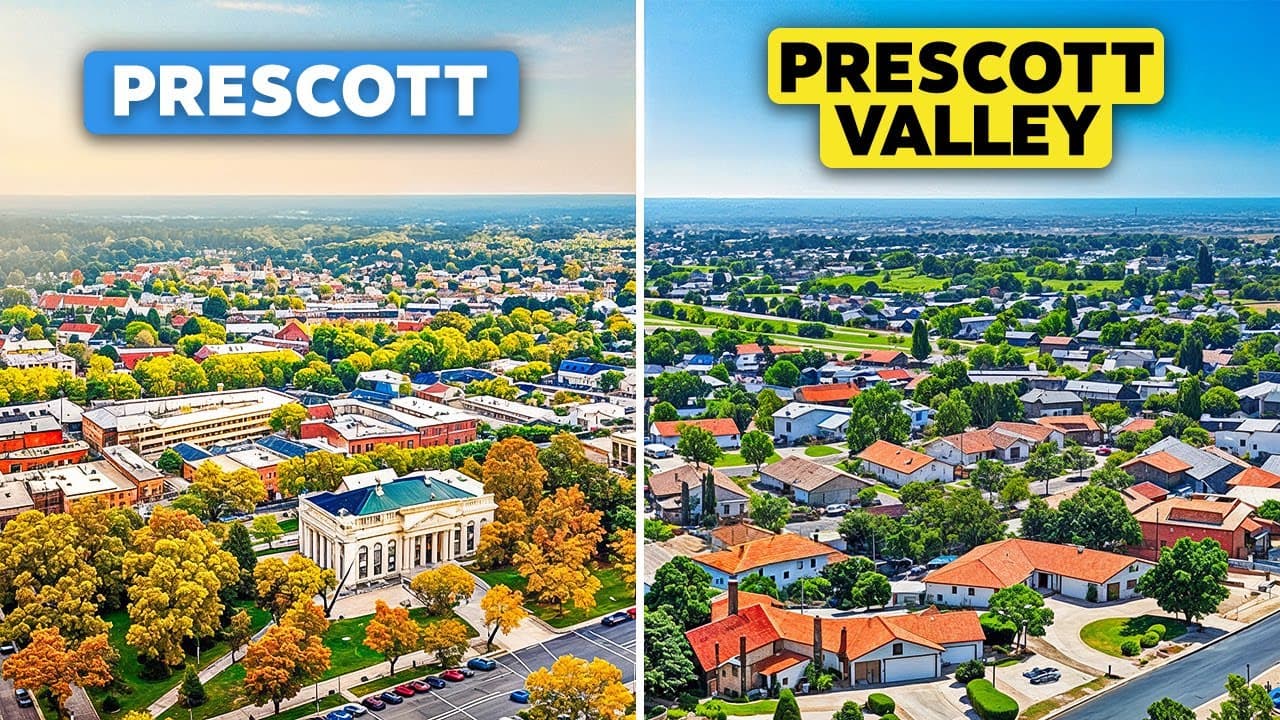
This guide breaks down the meaningful differences — from elevation and topography to shopping, new construction, wildlife, and what $600,000 typically buys in each place — so you can decide which neighborhood actually fits the life you want.
Quick snapshot: The core difference
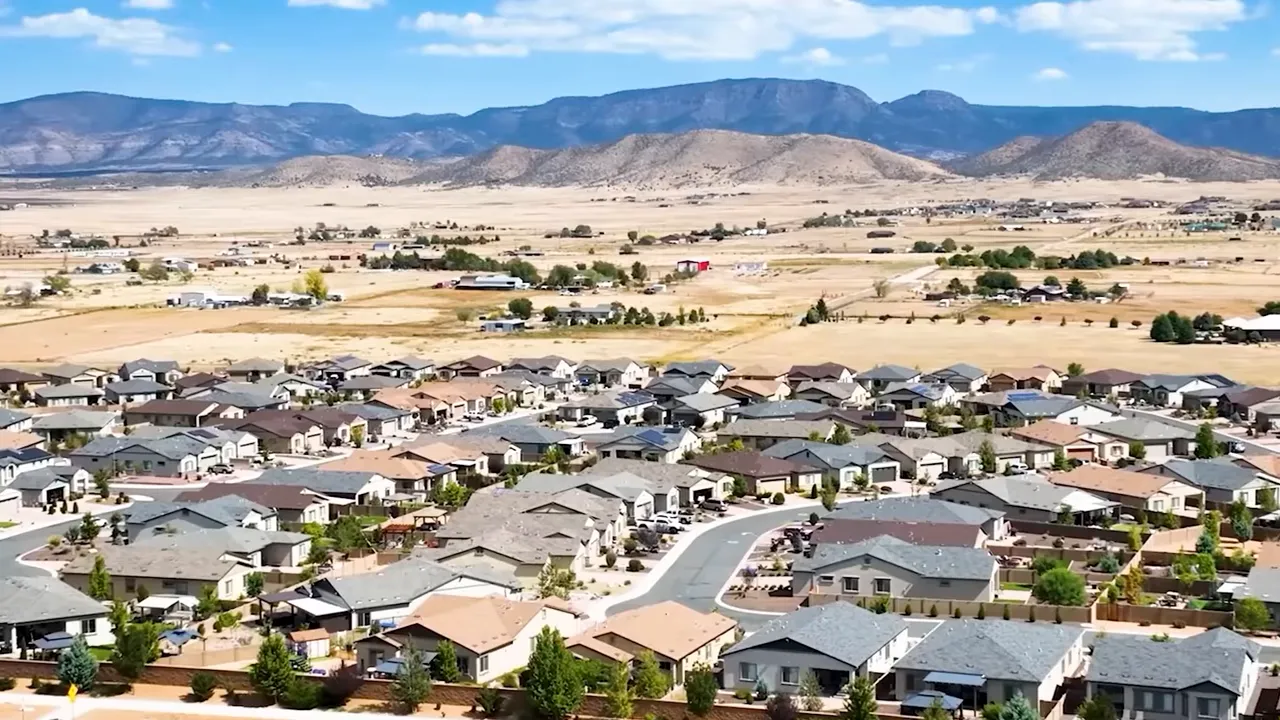
Prescott is an older, hillier, pine‑lined mountain town with a historic downtown, walkable streets, and a strong arts and outdoors culture. It is the place people picture when they think "classic mountain town." Prescott Valley feels newer and more suburban. It offers modern shopping, master plan communities, more single‑level turnkey homes, and easier access to open state land for off‑road recreation and horses. 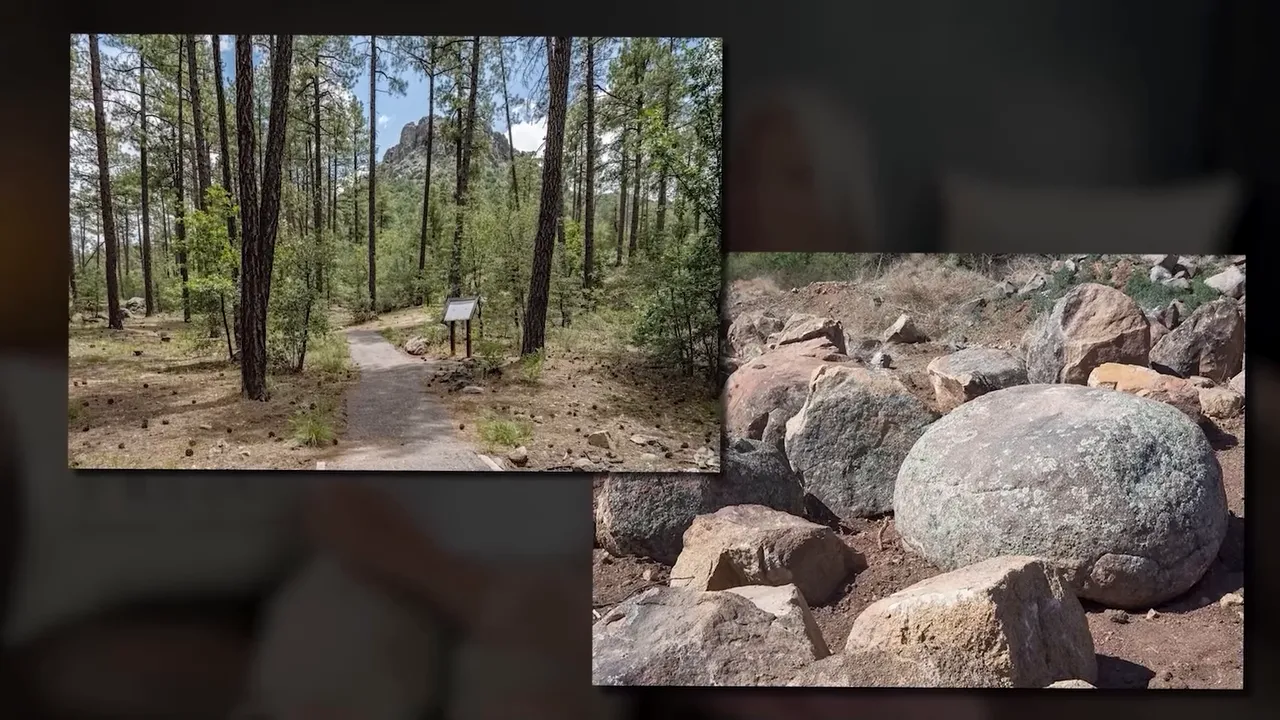
Location, elevation, and topography
Elevation matters when you care about scenery, tree cover, and how snow behaves in winter. Prescott sits at roughly 5,300 feet. That elevation, combined with rolling, rocky terrain, creates the iconic granite boulders, dense pine canopy, and lakes that many people move here to enjoy. 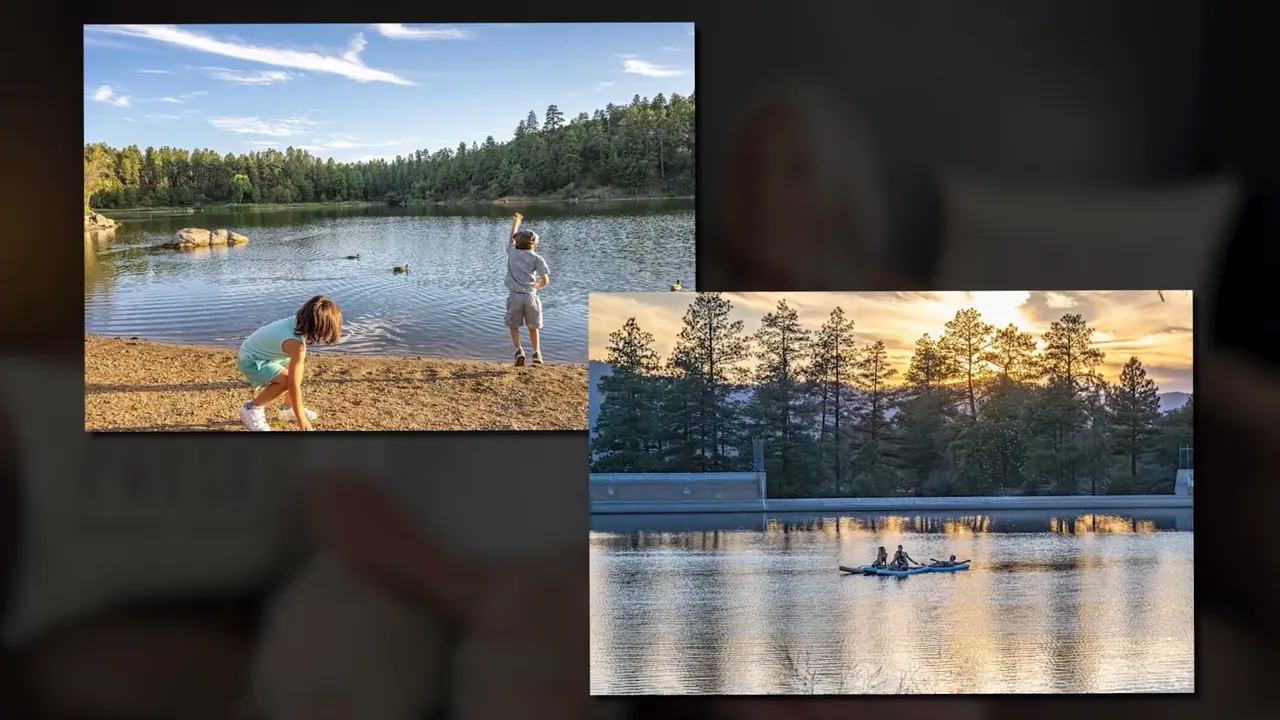 Prescott Valley is lower by only about 100 to 200 feet in many spots. That sounds minor — because it is. The real difference is topography. Prescott Valley is flatter and more open, more like a high prairie, whereas Prescott is hillier and heavily treed. The result:
Prescott: More pines, more boulders, more lakes, more of that classic mountain aesthetic.
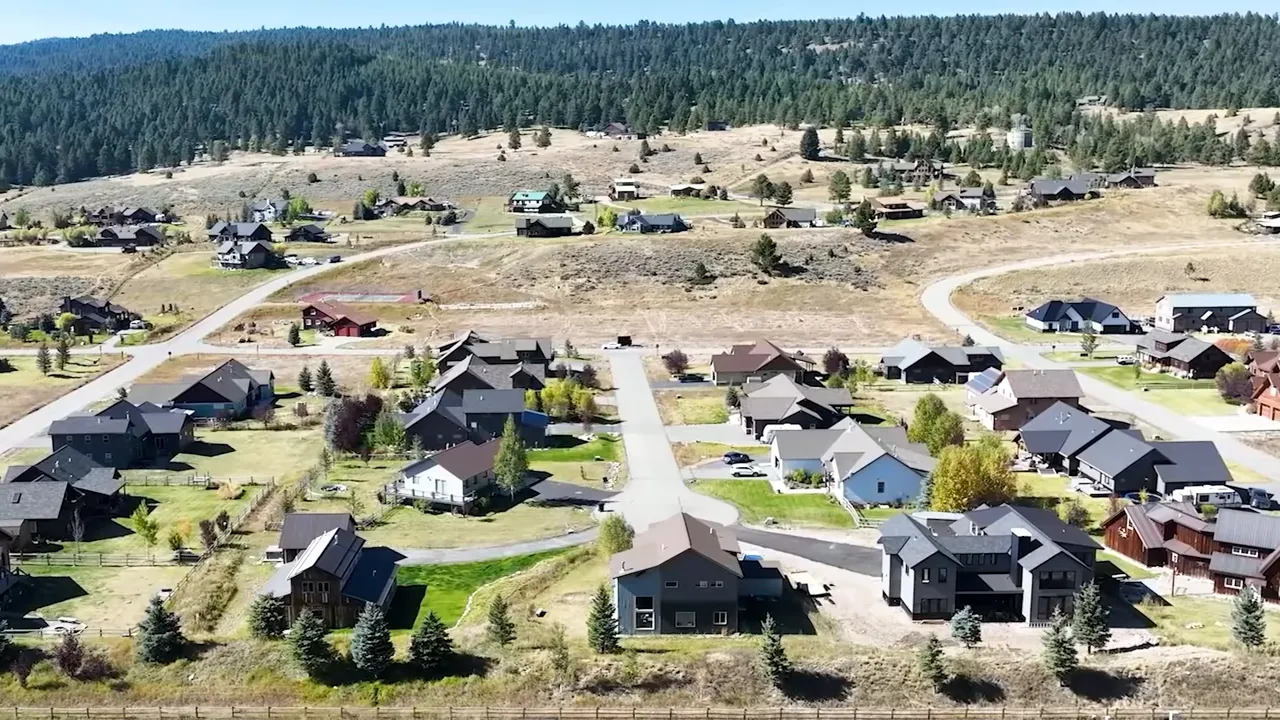
Prescott Valley: Broader horizons, big sky nights, and a feeling that’s closer to open country than dense forest.
Weather and seasons — what to expect
Summer temperatures can feel similar in both towns, but microclimates matter. Prescott’s tree canopy and shaded streets mean snow technically sticks around longer in town pockets — and when you climb up into higher elevation neighborhoods along Senator Highway or Walker, you can find properties near 8,000 feet that behave like true mountain cabins. 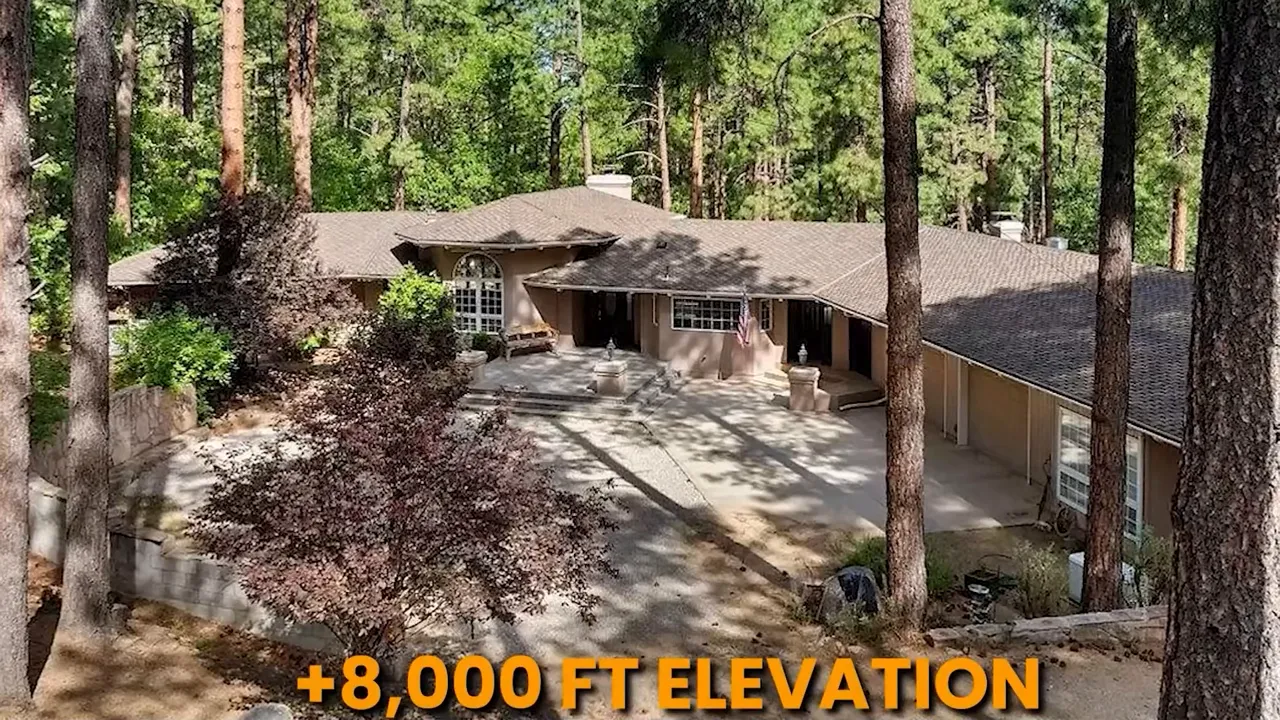 Prescott Valley’s open terrain means that when it does snow, it melts quicker because there are fewer trees to shade it. Both towns benefit from strong road maintenance and quick ADOT response when storms arrive, so winter travel interruptions are limited unless you go up into very high elevation pockets that can become seasonal.
Town personality: downtown walkability vs suburban convenience
Prescott’s downtown is one of its greatest strengths. Streets like Mount Vernon showcase historic Victorians and bungalows; Whiskey Row and the courthouse plaza mean festivals, local arts, and a walkable, social downtown core. If you value an artsy, independent, small-town charm with festivals, breweries, galleries, and live music, Prescott delivers. 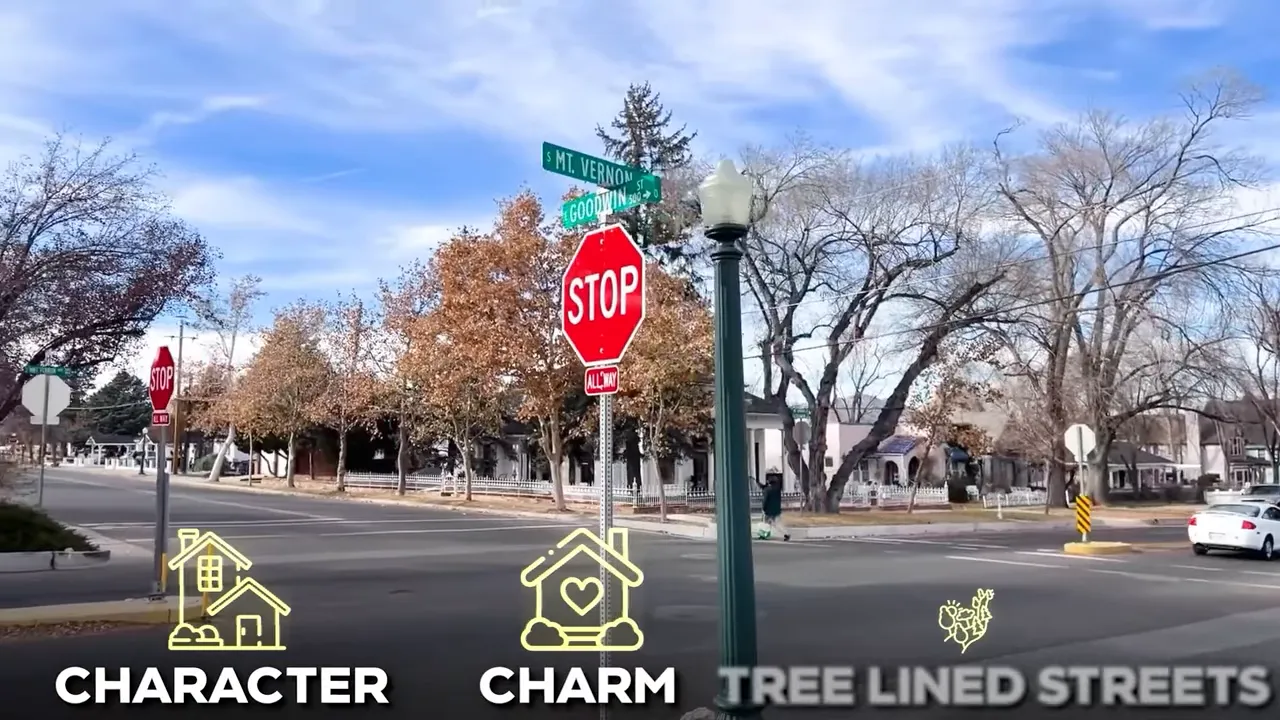 Prescott Valley is more car dependent by design. It’s the place for newer shopping centers, big-box retail, movie theaters, chain restaurants, and more of the conveniences people raise their hands for when they want predictable, modern amenities. It’s where the Finley Toyota Center draws large events and where master plan communities with pools, gyms, and pickleball courts are common.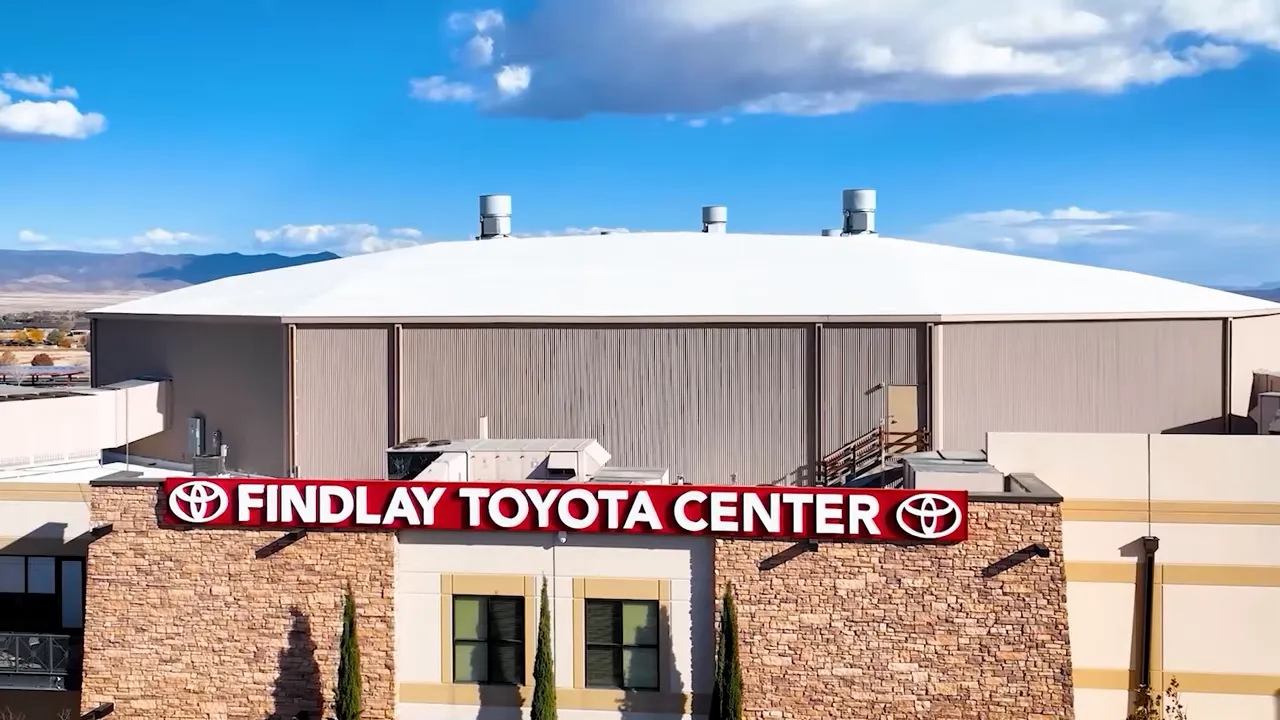
When downtown matters
Choose Prescott if you want to walk out your door and find local coffee shops, art fairs, bluegrass festivals, or a night out on Whiskey Row. The downtown calendar is busy year-round, which is perfect if you thrive on community events and pedestrian life. Keep in mind that popularity brings traffic during big weekends and when people from the Phoenix area head north to escape the heat.
When convenience matters
Choose Prescott Valley if you prefer drive-up malls, newer restaurants, and quick access to entertainment without fighting weekend crowds. If an afternoon trip to a big supermarket, a national chain restaurant, or a multiplex movie theater is part of your weekly routine, Prescott Valley’s suburban layout fits better.
New developments and home styles
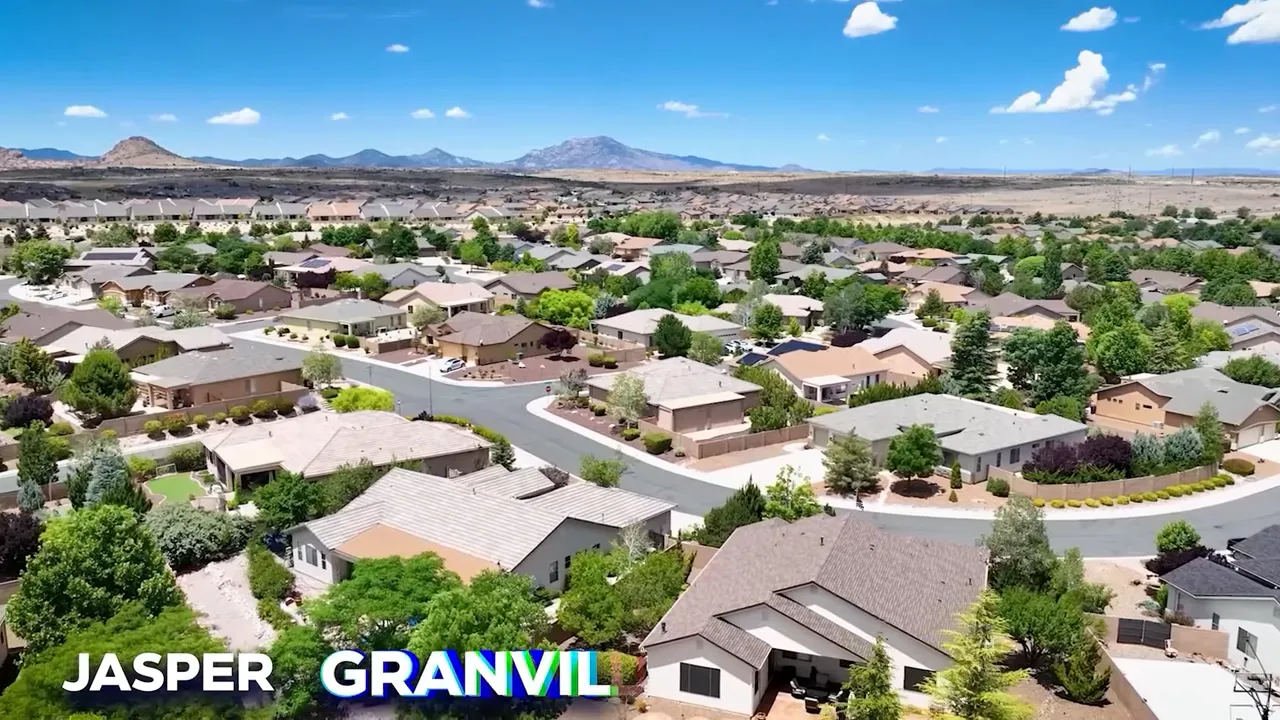
Most large new construction and master plan communities are in Prescott Valley. Names you’ll hear often include Stone Ridge, Jasper, Granville, and Ponderosa Ranch (local builders and developments vary over time). Those communities commonly offer:
Single-level, move‑in‑ready homes
Community amenities such as pools, fitness centers, playgrounds, and walking trails
Homeowner associations that maintain common spaces and enforce design standards
Prescott, being the older town, has pockets of new homes but is dominated by established, often custom houses with character. Expect historic bungalows, mid-century homes, and unique custom properties across non‑uniform lots. If curb appeal and originality matter more than cookie‑cutter uniformity, Prescott’s mix of architectural eras has strong appeal.
Master plan life vs custom character
Master plan communities are attractive for buyers who want turnkey, low-maintenance living and built-in social amenities. Custom and older homes appeal to buyers who want an established neighborhood with large trees, mature landscaping, and distinctive architecture — but they often require more renovation and maintenance. 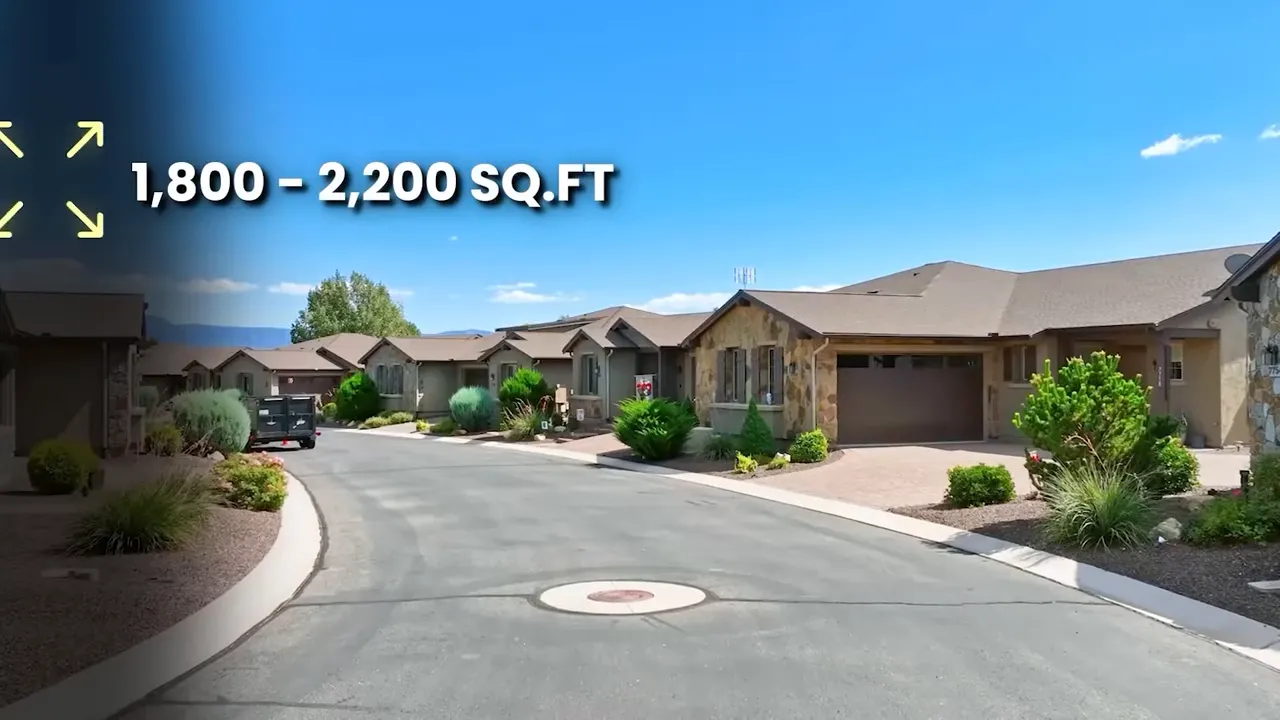
Wildlife: a real lifestyle factor
Wildlife frequency differs between the two areas because of the trees and terrain. Prescott’s pine‑heavy environment brings more large‑game and forest creatures: wild turkey, javelina, bobcats, and on rare occasions mountain lions. Prescott Valley still sees animals — coyotes and javelina show up — but large game is generally less common.  If you have small pets, buy a home with secure fencing, and be mindful of where you walk in the pines. Wildlife encounters are part of the mountain‑town lifestyle; for some people that is a feature, and for others it’s an important consideration when choosing a yard or property type.
Medical facilities and practical services
If access to hospitals and medical centers matters to you, Prescott hosts two hospitals, including a VA medical center. Prescott Valley has a hospital of its own and both towns offer clinics, primary care providers, specialists, naturopaths, and chiropractors. On paper Prescott may have slightly more hospital options, but the practical distance between towns is short and both communities are well served for routine healthcare. 
Outdoor recreation — both towns have their strengths
Outdoor life is strong across the region, but the experiences are slightly different.
Prescott: Mountain biking mecca with a dense trail system, large organized races, marathons, lakes for kayaking or fishing, and easy access to forested hiking. Prescott’s terrain is built for trail lovers, climbers, and people who want a pine‑lined backdrop for their recreation.
Prescott Valley: More open state land access, ideal for side-by-sides, dirt bikes, horseback riding, and larger acreage horse properties. It has mountain biking too, but not the same trail density or mountain bike festival culture found in Prescott.
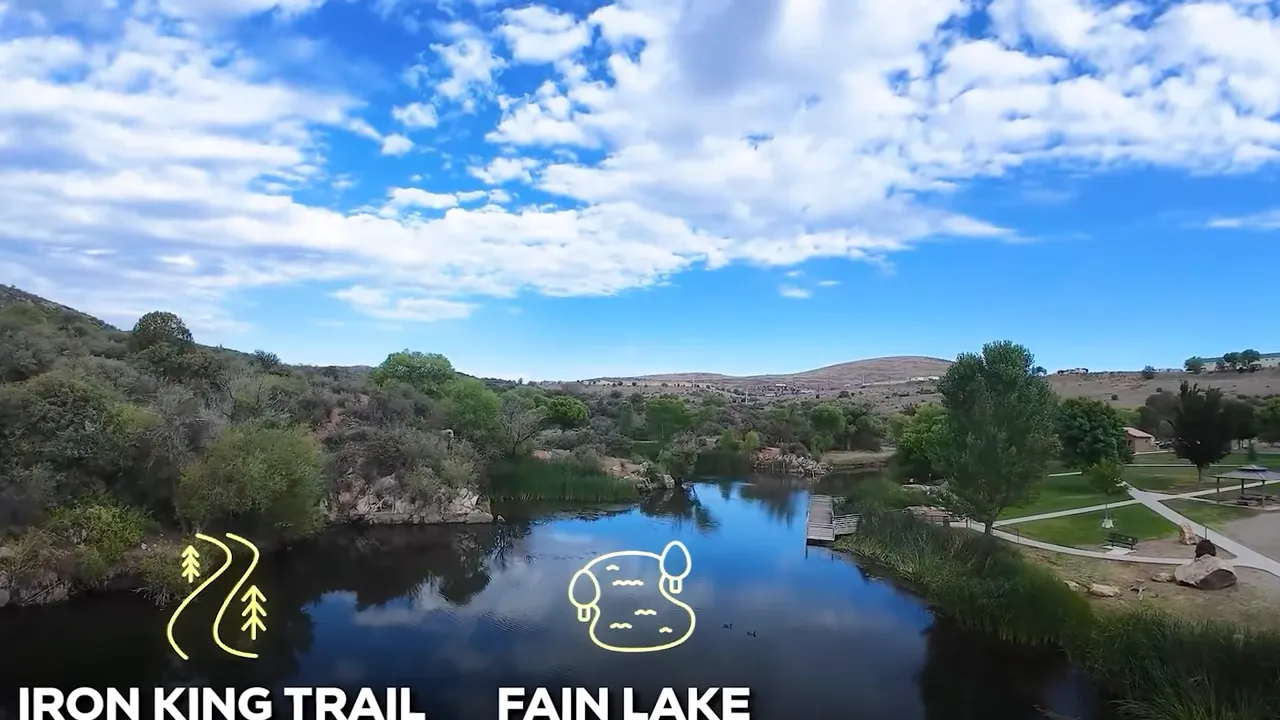
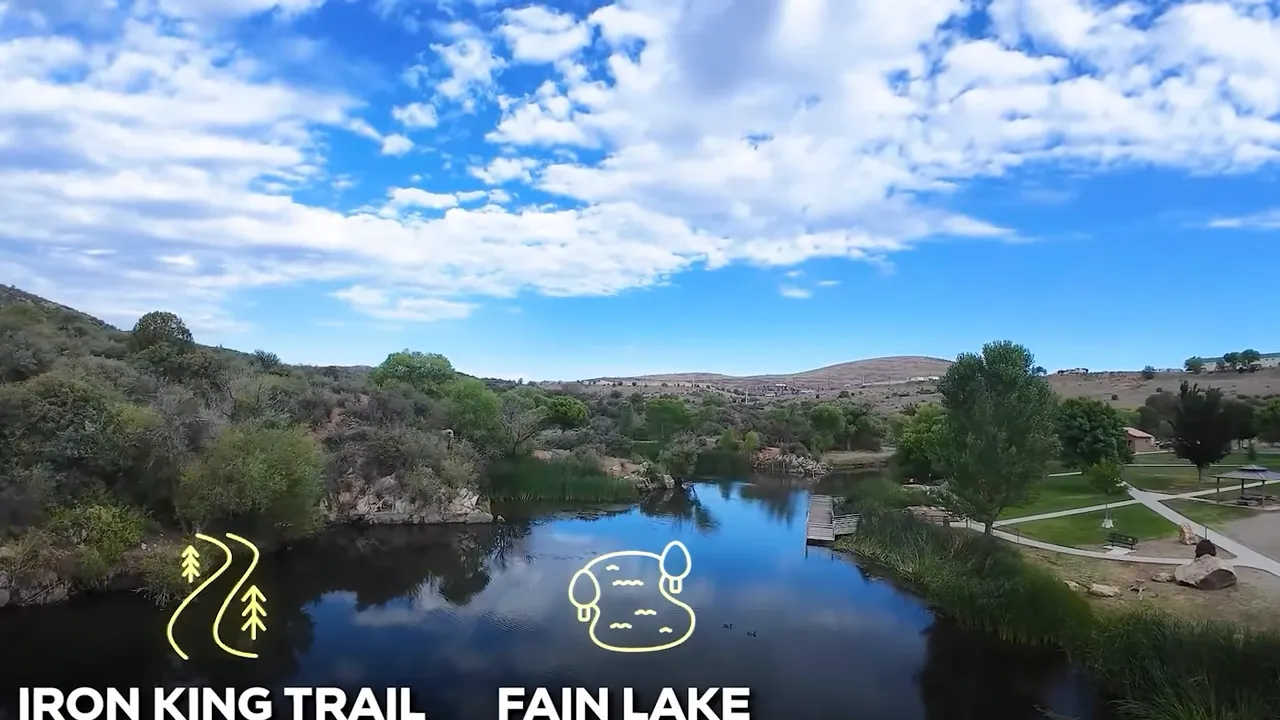
The Iron King Trail, Fain Lake, and Mangus Mountain are examples of outdoor assets in the broader area. If your ideal weekend is hitting singletrack and then enjoying a downtown evening, Prescott fits. If you prefer open‑country riding, riding ATVs, or owning a small acreage, Prescott Valley is more likely to have the properties and access you need.
What $600,000 buys you — practical housing comparisons
Price points will shift over time, but there is a consistent difference in the type of home $600,000 typically buys in each place. Here’s a practical, realistic comparison based on recent local market patterns.
Prescott Valley: more space, newer, turnkey
At around $600,000 in Prescott Valley, you’re often looking at:
1,800 to 2,200 square feet
Newer construction from the last 20 years or so
Four bedrooms, two and a half to three bathrooms
Possibility of a three‑car garage
Single‑level, move‑in‑ready condition
Small to medium lot sizes; few mountain views at this price point
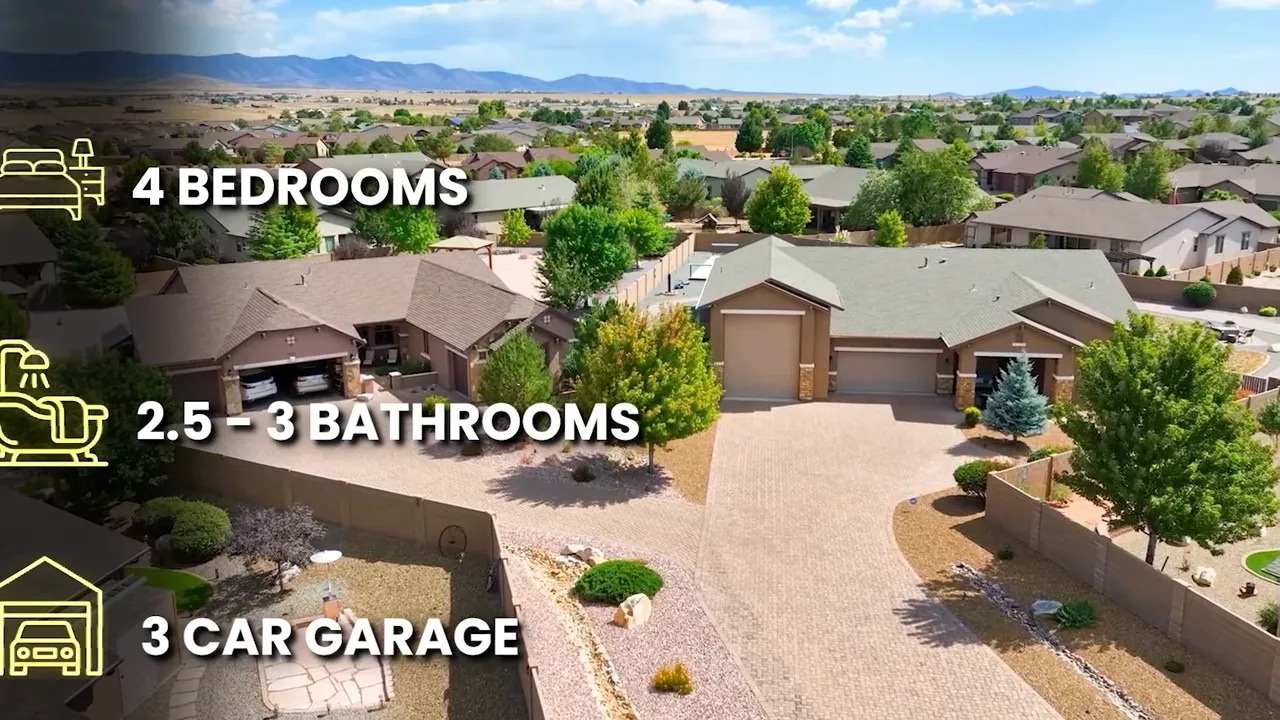
These homes are attractive if you want low‑maintenance living and the conveniences of modern construction. Expect an HOA in most master plan neighborhoods, which buys you maintained common areas and community amenities.
Prescott: character that may require updates
At the same $600,000 in Prescott you are generally looking at:
1,500 to 1,800 square feet in many cases
Older builds — often homes from the late 70s, 80s, or earlier
Unique floor plans and more architectural variety
Potential need for renovation: windows, electrical panels, plumbing, and cosmetic updates
More trees, boulders, and a sense of established landscape
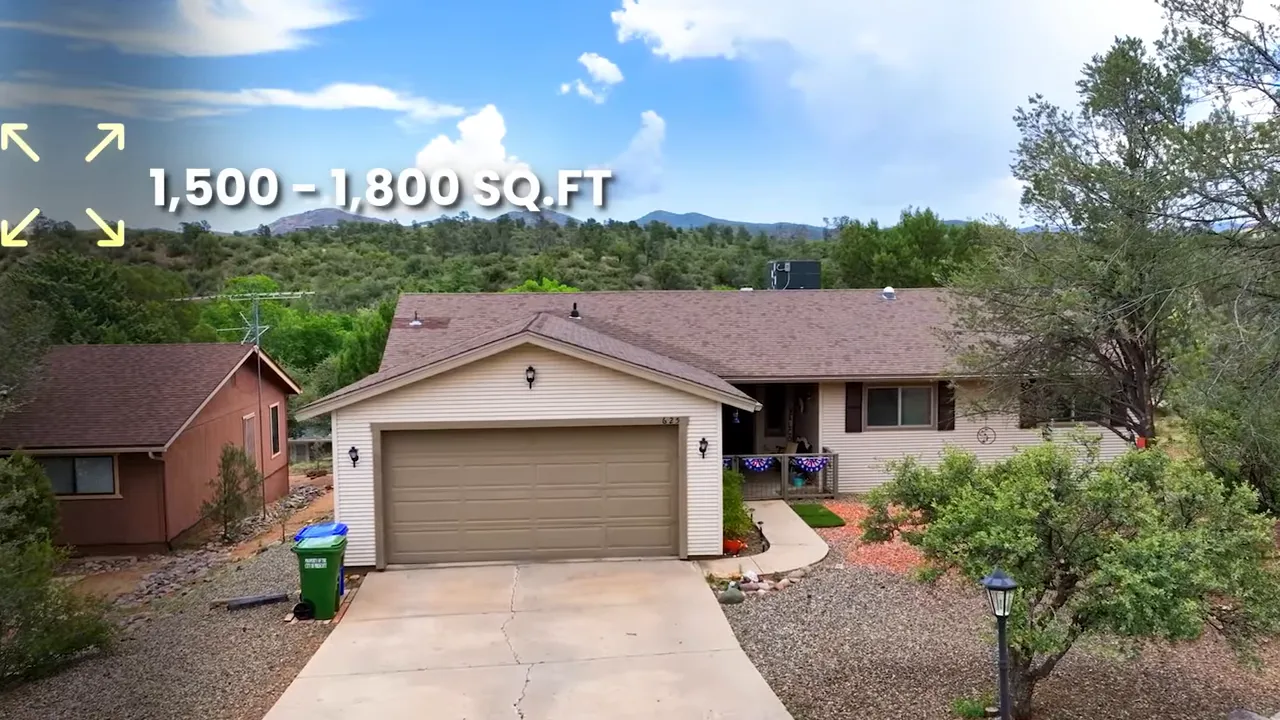
If you love historic charm, original woodwork, stylized facades, and treed streets, Prescott offers options that simply don’t exist in large scale in Prescott Valley. But that character often comes with maintenance needs — the tradeoff for owning a piece of town history.
HOA and amenities differences
Prescott Valley master plan communities usually include an HOA and built-in amenities such as pools, gyms, and paddle courts. Prescott has fewer of these community-centered amenities in its older neighborhoods, though there are some established communities that do offer shared facilities. Decide whether you prefer the convenience and social infrastructure of an HOA community or the independence of an older neighborhood without mandatory rules.
Who should choose Prescott?
Prescott is a fit if you want:
A walkable, historic downtown with festivals, coffee shops, and art events
Tree‑lined streets, granite boulders, and lakes within easy reach
An artsy, western heritage vibe and strong outdoor trail networks
Architectural variety and character in your home
Be ready for more traffic on festival weekends and occasional winter road impacts in the higher elevation pockets. Also expect that opting for character often means accepting some renovation or maintenance work.
Who should choose Prescott Valley?
Prescott Valley is a better fit if you want:
Newer, move‑in‑ready homes with modern finishes
Master plan amenities: pool, gym, pickleball courts, walking trails
Convenient shopping, chain restaurants, and suburban lifestyle
Larger options for acreage, equestrian properties, and off‑road recreation
It’s ideal for families who value single-level living, a short commute to modern retail, and turnkey neighborhood life.
Questions to ask when touring properties
When you’re comparing homes in both communities, these questions will help you evaluate the fit quickly:
What is the elevation and microclimate of this lot? Is the yard shaded by mature pines or is it open to the sky?
Is the property on a seasonal access road or subject to winter closures?
Is there an HOA? What are the dues and what do they cover?
How much updating will be needed in the next five to ten years (windows, roof, electrical, plumbing)?
What are the typical utility and grocery costs locally? How long are typical drives to hospitals and specialist care?
What wildlife is common in this neighborhood and are there any common mitigation measures neighbors take?
For newer communities, what are the HOA rules on rentals, pets, and exterior modifications?
Practical relocation homework: test living before committing
Moving to a new place is more than buying a house — it’s buying a lifestyle. The single best way to evaluate both Prescott and Prescott Valley is to experience them across time and seasons. Here’s a practical checklist to try on the area before committing:
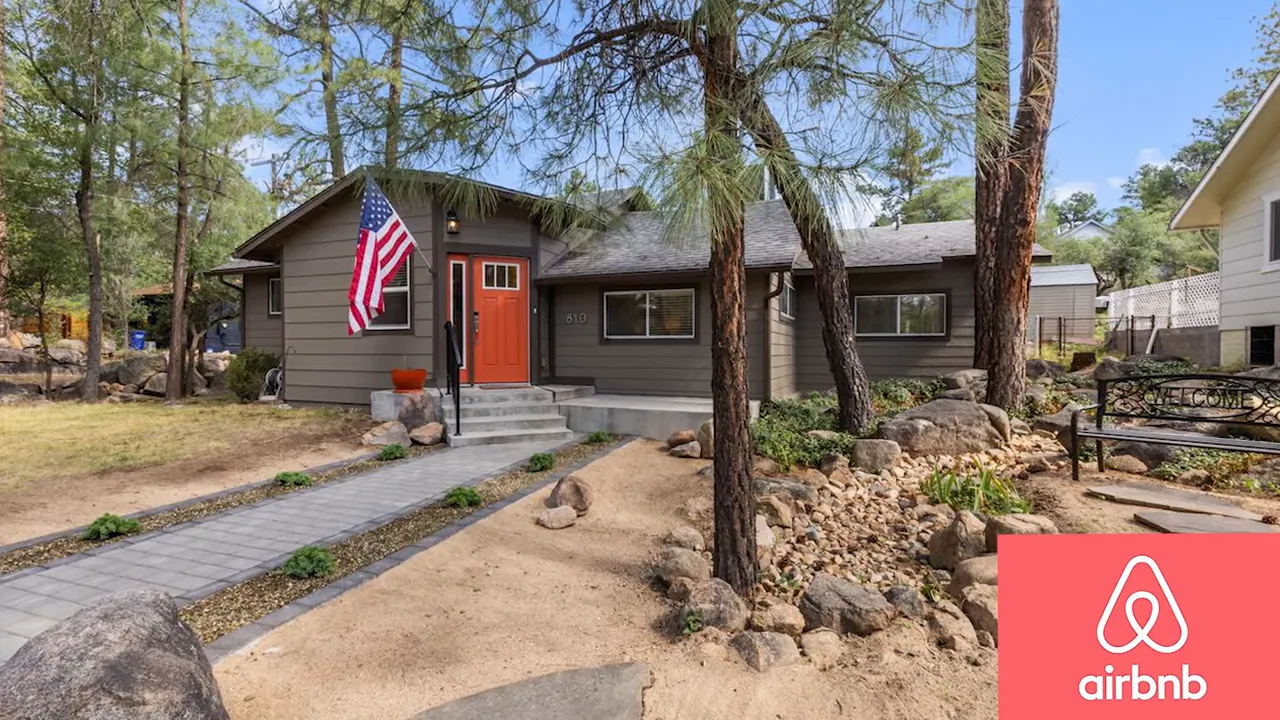
Stay in an Airbnb or rental for a few nights in each town rather than a hotel. Living in a house or apartment gives a true sense of daily life.
Spend weekdays and weekends in both areas. Festivals and tourist weekends can feel very different from an ordinary Tuesday.
Try routine activities: buy groceries, attend a morning coffee shop, run local errands, and see how convenient those tasks feel.
Drive the commutes: simulate your likely daily travel patterns and time them during rush hour and off‑peak.
Explore amenities: visit community centers, parks, trails, and local shopping to understand the neighborhood rhythm.
New construction tips
New construction can be tempting: model homes, incentives, and the appeal of everything being brand new. But there are pitfalls to avoid:
Always get representation: If you are considering a new build, retain a buyer’s agent who knows the local market. Sales reps at the builder work for the builder, not for you. Representation helps with negotiating upgrades, contract terms, and protecting your interests during inspections and closing.
Ask about completion timelines and what happens if the builder misses dates.
Confirm warranty coverage and get written documentation for all installed equipment and finishes.
Understand upgrade costs and whether your negotiated incentives are actually saving you money compared to the list price.
How to make a final decision
There is no single correct answer—Prescott and Prescott Valley are both excellent places to live. The best choice comes down to matching the community to how you want to live day‑to‑day. Use this framework:
Prioritize lifestyle: Do you want walkable downtown nights and trail density, or a suburban life with front‑yard lawns and community pools?
Prioritize housing type: New, turnkey single level with amenities, or older, character‑filled homes that may require updates?
Prioritize land use: Want acreage, horses, and open country? Prescott Valley tends to offer more options. Want granite boulders and pine shade? Prescott is your setting.
Compare budgets: At the same price point, Prescott Valley often yields more square footage and newer finishes, while Prescott will likely give you character and location proximity to downtown experiences.
Neighborhood quick‑reference
Here are some practical neighborhood touch points to guide deeper research.
Prescott downtown / Mount Vernon Street: Historic homes, walkable lifestyle, festivals, and character.
Senator Highway / Walker area: Higher elevation pockets and some seasonal access properties.
Stone Ridge and similar master plans in Prescott Valley: Pools, gyms, HOA amenities, family-friendly infrastructure.
Copperfield and acreage neighborhoods: Larger lots and gated acreage options in Prescott Valley.
Mangus Mountain and Iron King Trail: Outdoor recreation resources serving both communities.
Final practical checklist before putting in an offer
Walk the neighborhood at different times of day and different days of the week to understand traffic, noise, and community rhythm.
Run a utility and grocery cost comparison between neighborhoods you like.
Hire a qualified inspector who understands older mountain homes and the common issues specific to the region (roofing, plumbing, electrical, moisture).
Ask for the property disclosure history and if any long‑term maintenance items are expected.
Check HOA documents carefully for rules, reserve funds, and upcoming special assessments.
Consider getting pre‑approved for mortgage options that fit your long‑term plans, including renovation loans if you plan to update a character home.
Closing thoughts
Prescott and Prescott Valley each offer strong, but different, reasons to choose them. Prescott is for people who want historic charm, walking neighborhoods, dense trail networks, and that mountain town feel. Prescott Valley is for people who want modern conveniences, newer homes, master plan amenities, and more space for recreational vehicles and horses. The impartial way to decide is to spend time living in both places for short stints, test the routine activities that matter to you, and then evaluate which community best matches your lifestyle priorities. Matching the right town to the right lifestyle prevents buyer’s remorse and ensures your next home truly supports how you want to live. If your priorities include new construction, make sure you are represented by someone who knows the builders, the local process, and the negotiation levers that matter. When buying an older home, value the character but budget for maintenance and updates. Both Prescott and Prescott Valley are beautiful places to call home. The best one for you will be the one that feels like home when you test it, on a weekday grocery run, on a festival evening, and during a quiet starry night.





Comments(0)